Tree pruning is one of the most effective ways to maintain the health, safety and appearance of your trees. Whether you are managing mature trees in a large garden or maintaining smaller ornamental specimens, pruning at the right time of year can encourage healthy growth, reduce the risk of disease and help prevent future problems.
While some trees can be pruned throughout much of the year, the best timing often depends on the species, age and condition of the tree. Understanding when to carry out pruning can make a significant difference to the long-term health and structure of your trees.
Why timing matters when pruning trees
Trees respond differently to pruning depending on the season. During certain times of the year, wounds heal more quickly, growth can be directed more effectively and the risk of pests and diseases is reduced.
Pruning at the wrong time can:
- Cause unnecessary stress to the tree
- Increase the risk of fungal infections
- Reduce flowering or fruit production
- Encourage weak or excessive growth
- Disturb nesting birds and wildlife
Choosing the correct season helps ensure pruning delivers the intended benefits without negatively affecting the tree.

Winter is often the best time for most tree pruning
For many tree species in the UK, late autumn through to late winter is considered the ideal time for pruning.
During this period:
- Trees are dormant
- Leaves have fallen, making the structure easier to assess
- Reduced sap flow minimises stress
- Pruning wounds are less attractive to insects and pathogens
- Branch defects and structural issues are easier to identify
Winter pruning is particularly suitable for many deciduous trees such as:
- Oak
- Beech
- Ash
- Lime
- Sycamore
- Hornbeam
Because the tree’s energy reserves are stored within the root system during dormancy, pruning can often be carried out more efficiently with minimal impact on growth.
Spring pruning considerations
Early spring can be suitable for light pruning work, but care should be taken as trees begin actively growing.
Some species, including birch, maple and walnut, are known as “bleeding” trees because they produce significant sap flow when pruned in late winter or early spring. While this is rarely harmful, it can be unsightly and is often best avoided.
Spring is generally a good time for:
- Removing dead wood
- Light crown thinning
- Corrective pruning of younger trees
- Managing fast-growing ornamental species
Before undertaking any pruning work during spring and summer, it is important to check for nesting birds, which are protected under UK wildlife legislation.
Summer pruning benefits
Contrary to popular belief, summer pruning can be highly beneficial for certain trees.
Pruning during summer can:
- Slow excessive growth
- Improve shape and appearance
- Reduce shading
- Improve airflow through the canopy
- Help identify dead or diseased branches more easily
Summer pruning is often recommended for fruit trees such as apple and pear trees, particularly where improved fruit production and canopy management are desired.
It is also commonly used for:
- Crown reductions
- Crown lifting
- Deadwood removal
- Managing growth around buildings and structures

Autumn pruning should be approached carefully
Autumn is generally considered the least favourable time for major pruning work.
As leaves fall and temperatures cool, trees begin preparing for dormancy. Pruning at this stage can sometimes leave wounds exposed for longer periods before active healing begins.
Fungal spores are also often more prevalent during autumn, potentially increasing the risk of infection in certain species.
For this reason, extensive pruning is usually delayed until winter unless there is an immediate safety concern.
When should different types of pruning be carried out?
Crown reduction
Crown reductions are commonly carried out during late autumn, winter or early spring when the tree structure is clearly visible.
Crown thinning
This can often be undertaken throughout much of the year, although winter and early spring are generally preferred.
Crown lifting
Removing lower branches can be performed at most times of year, provided wildlife legislation is observed.
Deadwood removal
Dead, damaged or dangerous branches can usually be removed whenever they are identified.
Formative pruning
Young trees benefit from carefully planned pruning during their early years to encourage strong structure and healthy growth.
Tree species that require special timing
Certain species benefit from pruning at specific times of year:
Oak trees
Often best pruned during winter to reduce the risk of disease and insect activity.
Birch trees
Generally best pruned in late summer to avoid excessive sap bleeding.
Maple trees
Late summer pruning is often recommended for the same reason.
Fruit trees
Pruning schedules vary depending on species, age and whether the tree is grown for ornamental purposes or fruit production.

Signs your tree may need pruning
You may wish to arrange a professional tree inspection if you notice:
- Dead or broken branches
- Branches rubbing together
- Excessive shading
- Overhanging limbs near buildings
- Signs of disease or decay
- Reduced tree health or vigour
- Branches obstructing roads, footpaths or neighbouring properties
Regular maintenance can often prevent more extensive work being required in the future.
Professional tree pruning services
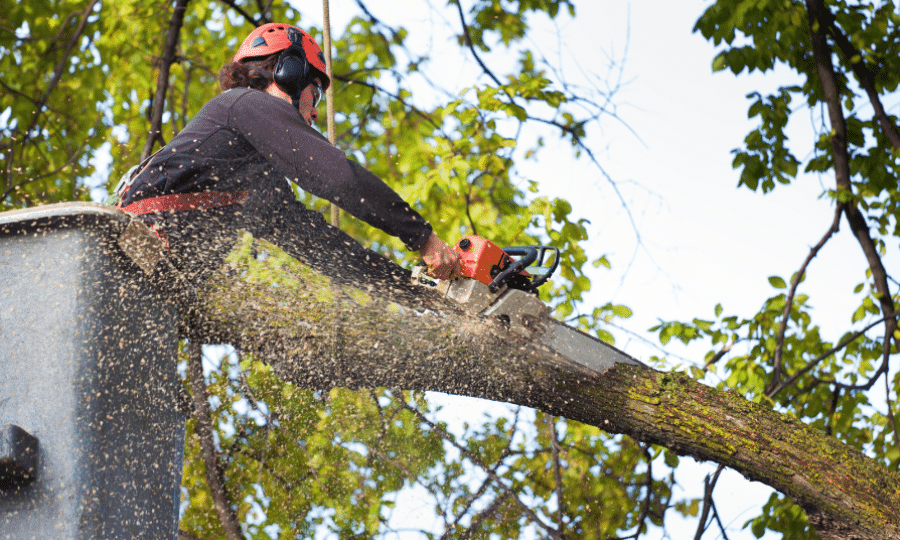
While minor pruning may be suitable for smaller ornamental trees, larger trees often require specialist equipment, training and safety procedures.
Professional tree surgeons can assess the condition of your trees and recommend the most appropriate pruning method and timing based on species, age, location and long-term objectives.
At Chiltern Tree Care, we provide expert tree pruning services throughout Buckinghamshire, Berkshire, Hertfordshire, Oxfordshire and the surrounding Home Counties. Whether you require crown reduction, crown thinning, crown lifting or deadwood removal, our experienced team can help maintain the health, safety and appearance of your trees year-round.
Conclusion
The best time of year for tree pruning in the UK depends largely on the species and the type of work required. For many trees, winter remains the ideal time due to dormancy and improved visibility, while summer pruning can also offer significant benefits for certain species and applications.
If you are unsure when your trees should be pruned, seeking advice from a qualified tree surgeon can help ensure the work is carried out safely, responsibly and at the most appropriate time of year.